Ever wondered what is a NFT gaming and if it is truly worth your precious gaming time? For many US gamers balancing work family and life finding new ways to enjoy their passion without unnecessary complexity is key. This comprehensive guide cuts through the hype to explain exactly what NFT gaming entails its benefits the potential pitfalls and how it impacts your gaming experience. We will explore how these games integrate blockchain technology to offer unique digital ownership and new play to earn models providing practical insights for those seeking genuine value and fun. Whether you are curious about earning assets or simply understanding the latest trends this resource offers clear answers to navigate the evolving landscape of digital entertainment. Discover how NFTs are reshaping game economies and what that means for your future in gaming ensuring you stay informed without needing to become a blockchain expert. This is your go to resource for understanding a hot topic in gaming.
How does blockchain technology secure my in-game NFT assets?
Blockchain technology, the backbone of NFTs, secures your in-game assets through decentralization and cryptography. Each NFT is a unique digital token stored on a public ledger, like Ethereum or Polygon, meaning its ownership and transaction history are transparent and unchangeable. This digital signature makes your in-game items truly yours, verifiable by anyone, and immune to being duplicated or fraudulently altered by game developers or other players. This robust security is a major draw for gamers valuing true digital ownership.
What's the difference between an in-game cosmetic and an NFT cosmetic?
The key difference lies in ownership and portability. An in-game cosmetic, like a skin or emote bought with traditional currency, is typically licensed to you by the game developer within that specific game ecosystem. You do not truly own it outside the game and cannot resell it or transfer it. An NFT cosmetic, however, is a digital asset recorded on a blockchain. You own this NFT outright, meaning you can sell it on an open marketplace, transfer it to another wallet, and potentially even use it across different compatible games or metaverse platforms, offering far greater freedom and potential value.
Are NFT games just a fad, or are they here to stay?
While the initial hype around NFT games saw many projects fail, the core concept of digital ownership and player-driven economies is evolving and likely here to stay, albeit in a more refined form. Industry experts suggest a shift from pure "play-to-earn" to "play-and-own," where NFTs enhance gameplay rather than solely serving as an investment. As major studios cautiously explore blockchain integration and technology matures, more sustainable and fun models are emerging, indicating a long-term potential for NFT elements to become a part of mainstream gaming experiences.
How do I find legitimate and fun NFT games amidst all the hype?
Finding legitimate and fun NFT games requires careful research. Start by looking for games developed by established teams with clear roadmaps, active communities on platforms like Discord or X, and transparent tokenomics. Review gameplay videos and read independent reviews, prioritizing games that offer genuine entertainment value beyond just potential earnings. Websites like DappRadar, PlaytoEarn, or blockchain gaming news sites can provide curated lists, but always do your own due diligence on the developers and their track record before investing any time or money.
What kind of hardware or software do I need to play NFT games?
Generally, playing NFT games doesn't require specialized hardware beyond what you already use for PC or mobile gaming. Most blockchain games are browser-based or have standard desktop/mobile clients. The primary software requirement is a cryptocurrency wallet (like MetaMask or Phantom) to manage your NFTs and crypto assets. This wallet needs to be connected to the specific blockchain network the game uses (e.g., Ethereum, Polygon, Solana). Make sure your browser is up-to-date for optimal performance and security when interacting with web3 applications.
Can I play NFT games on my console like PlayStation or Xbox?
Currently, native NFT game support on major consoles like PlayStation or Xbox is limited to non-existent. Console manufacturers have historically maintained closed ecosystems for game distribution and in-game purchases. While there is speculation and ongoing discussion in the industry about future integration, the current landscape of NFT games primarily thrives on PC (via browsers or dedicated clients) and mobile platforms. Any console integration would require significant policy changes and technological adaptations from console makers, which are not yet broadly implemented.
What are the biggest challenges facing the growth of NFT gaming?
NFT gaming faces several significant challenges. Scalability of blockchain networks can lead to high transaction fees and slow speeds, impacting player experience. Regulatory uncertainty in various jurisdictions poses legal and financial risks for developers and players. The perception of "scams" and "get-rich-quick" schemes due to past speculative bubbles has also damaged trust. Furthermore, balancing real gameplay fun with economic incentives, onboarding mainstream gamers unfamiliar with crypto, and environmental concerns related to energy consumption are critical hurdles that need innovative solutions for widespread adoption.
For many of us US gamers, those precious hours we carve out for our passion are sacred. We juggle jobs, families, and life's endless to-do lists, making every gaming session count for relaxation, fun, or a chance to unwind with friends. Keeping up with the latest trends can feel like another chore, especially when terms like 'NFT gaming' start floating around, often wrapped in a confusing mix of tech jargon and over-the-top hype. You might be wondering, 'what is a NFT gaming, really?' Is it a fleeting fad, a genuine revolution, or just another way to spend money?
You are not alone in seeking clarity. With approximately 87% of US adults regularly engaging in video games, averaging over 10 hours a week, and mobile gaming continuing its dominance alongside thriving PC and console communities, the gaming world is always evolving. Our goal here isn't to sell you on NFTs but to equip you with solid, practical information. This comprehensive guide will break down 'what is a nft gaming' into understandable pieces, addressing your pain points about time, money, and staying current without getting swept away by fleeting trends. We will give you the facts, so you can decide if this new frontier aligns with your gaming goals, whether it is for skill building, social play, or simply finding new value in your digital adventures.
What is NFT Gaming Really About for Everyday Gamers?
At its core, NFT gaming, or blockchain gaming, introduces verifiable digital ownership into your favorite pastime. Unlike traditional games where you 'buy' an item but do not truly own it (the game company still holds the rights), an NFT game uses Non-Fungible Tokens to represent unique in-game assets. This could be anything from a unique character skin, a powerful weapon, a piece of virtual land, or even a pet. Because these items are NFTs, they are recorded on a blockchain, giving you verifiable proof of ownership. Think of it as having a digital deed for your in-game sword.
For the average gamer, this means your time and effort in a game could potentially translate into assets with real-world value. You are no longer just playing; you are building a personal collection of digital property. This ownership opens up new possibilities, like trading these items with other players on open marketplaces, potentially selling them for cryptocurrency, or even porting them across different compatible games in the future. It is a fundamental shift that empowers players with more control over their digital possessions.
How Do NFTs Work in Video Games and What Do I Actually Own?
When you acquire an NFT in a game, whether through playing, buying, or crafting, that item is minted on a blockchain, usually one like Ethereum, Polygon, or Solana. This blockchain acts as a public, immutable ledger, recording every transaction and verifying ownership. Your crypto wallet address is linked to that specific NFT, establishing you as its unique owner. This is what 'non-fungible' means: it is one-of-a-kind and cannot be replaced by an identical item.
What you actually own is the unique digital token on the blockchain that represents your in-game item. The game's code then recognizes this token in your wallet and displays the corresponding item in your game. This means you truly possess the asset; it is not just data on a game server. You can keep it, sell it, or transfer it without needing permission from the game developer. This verifiable ownership is a significant departure from traditional gaming models and is driving much of the innovation and discussion around 'what is a nft gaming'.
Why Are Gamers Talking About Play-to-Earn Models and Are They Sustainable?
The 'Play-to-Earn' (P2E) model is a significant draw of NFT gaming, promising players the ability to earn real-world value by engaging with games. This can involve earning cryptocurrency by completing quests, winning battles, or selling valuable NFTs found or crafted in-game. For many, it offers an intriguing opportunity to monetize their gaming skills and time, creating a new economic layer within digital entertainment.
However, the sustainability of P2E models is a hot topic. Early P2E games often struggled with economic balance, leading to cycles of boom and bust. Experts are now seeing a shift towards 'Play-and-Own' where the emphasis is on fun gameplay first, with NFT ownership and potential earnings being a secondary benefit. Sustainable P2E games require carefully designed tokenomics, robust in-game economies, and a focus on long-term player engagement beyond just monetary incentives. As the space matures, we expect to see more balanced models emerge that prioritize fun and genuine value.
What Are the Benefits of NFT Gaming Beyond Just 'Earning'?
While earning potential grabs headlines, NFT gaming offers several other benefits that resonate with busy adult gamers:
- True Digital Ownership: As discussed, you own your assets. This means if a game server shuts down, your NFT might still exist and hold value outside the game, potentially even being used in a future compatible project.
- Interoperability Potential: Imagine using your favorite sword from one RPG in a completely different metaverse world. While still nascent, the long-term vision for NFTs is to enable assets to move across different games and platforms, enhancing their utility and value.
- Community Engagement and Governance: Many NFT game projects are community-driven, giving players a voice in game development and direction through decentralized autonomous organizations (DAOs). This fosters a stronger sense of belonging and influence.
- New Revenue Streams for Creators: For artists and developers, NFTs offer direct monetization for their creations, potentially leading to more diverse and innovative gaming experiences without relying solely on traditional publishers.
- Enhanced Social Play: Trading, showcasing, and co-owning valuable in-game assets can add a rich layer to social interactions, strengthening bonds within gaming communities. For the 60% of gamers who value social play, this is a significant aspect.
What Are the Risks and Downsides of Getting Into NFT Games?
While promising, NFT gaming comes with its share of risks and challenges, especially for time-conscious gamers:
- Volatility and Investment Risk: The value of NFTs and associated cryptocurrencies can be highly volatile. What is valuable today might be worthless tomorrow. It is an investment, and like all investments, carries risk.
- Scams and Fraud: The nascent nature of the space means it is unfortunately ripe for scams, rug pulls (where developers abandon a project after raising funds), and phishing attempts. Diligence is crucial.
- High Entry Barriers: Some NFT games require significant upfront investment in NFTs or cryptocurrency just to start playing, which can be a deterrent for budget-conscious gamers.
- Technical Complexity: Setting up crypto wallets, understanding gas fees, and navigating decentralized marketplaces can be daunting for those new to blockchain technology.
- Environmental Concerns: Some blockchains, like older iterations of Ethereum, have high energy consumption. While newer, more efficient blockchains exist, the overall environmental impact is a valid concern for many.
- Regulatory Uncertainty: The legal and tax landscape for cryptocurrencies and NFTs is still evolving, creating potential complexities for players who earn value.
How Can I Safely Get Started with NFT Gaming Without Breaking the Bank?
If you are intrigued by 'what is a nft gaming' but want to dip your toes in safely and affordably, here are some practical steps:
- Do Your Research: This cannot be stressed enough. Look for projects with transparent teams, clear roadmaps, and active, engaged communities. Read reviews and independent analyses.
- Start Free-to-Play: Many NFT games offer free-to-play options or entry-level NFTs that require minimal investment. This allows you to experience the gameplay and mechanics before committing funds.
- Use a Secure Wallet: Set up a reputable cryptocurrency wallet like MetaMask or Phantom. Learn how to secure it properly (never share your seed phrase!) and only connect it to trusted websites.
- Begin with Small Investments: If you decide to invest, start with an amount you are comfortable losing. Treat it as entertainment expenditure, not a guaranteed return.
- Understand Gas Fees: Be aware that transactions on some blockchains incur 'gas fees,' which can add to your costs, especially during peak network congestion.
- Focus on Fun First: Choose games that genuinely appeal to you for their gameplay, not just their earning potential. If you enjoy the game, any potential earnings are a bonus.
Are There Any Good NFT Games Out There Right Now That Are Actually Fun?
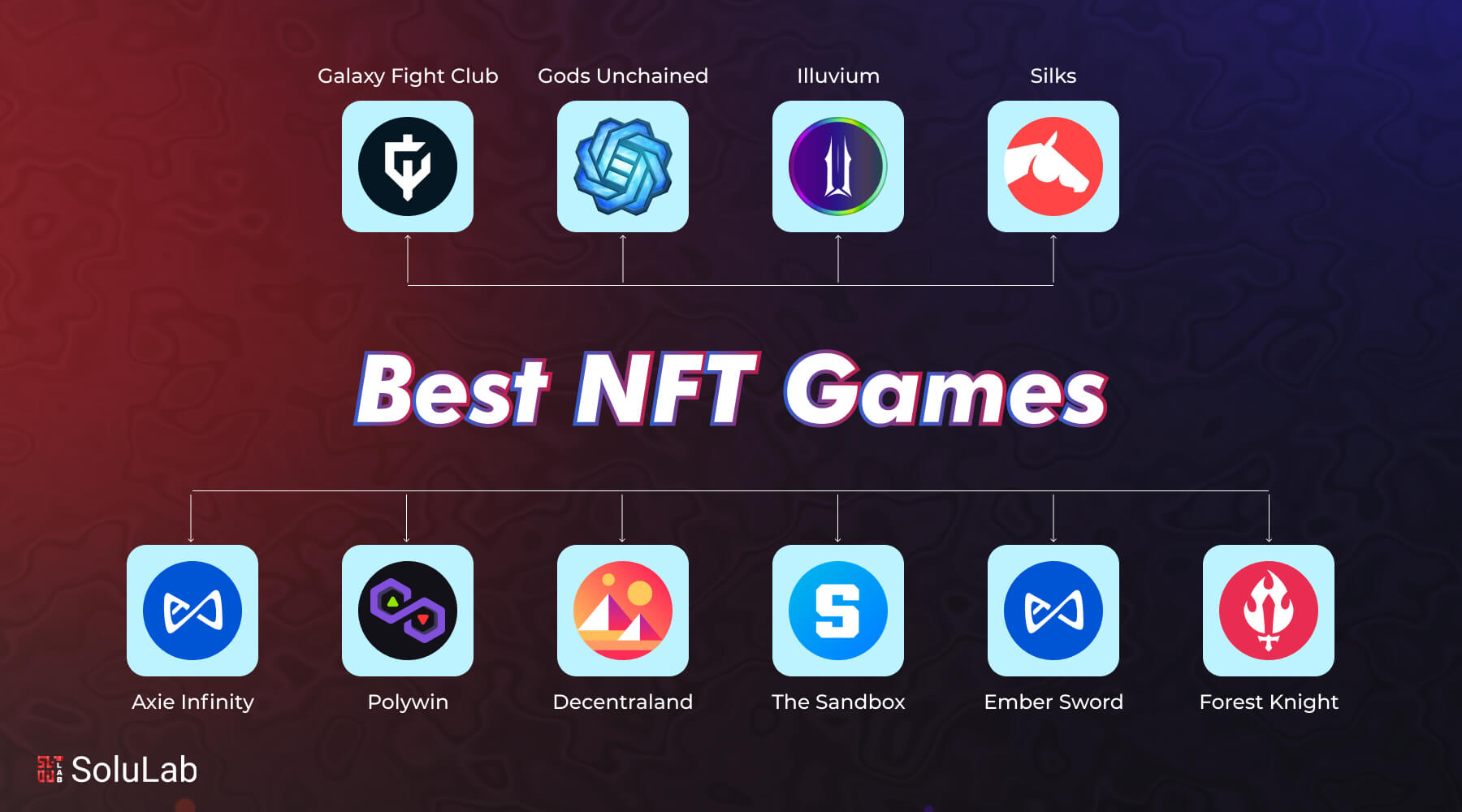
Yes, the landscape is evolving, and projects are increasingly focusing on robust gameplay alongside blockchain integration. While specific recommendations can change rapidly due to market dynamics and development cycles, look for titles that prioritize player experience. Some categories that are seeing success include: card games (e.g., Gods Unchained), virtual world/metaverse builders (e.g., Decentraland, The Sandbox), and certain strategy/RPG titles. Many newer games are also incorporating NFTs more subtly, as optional collectibles or governance tokens, rather than being purely P2E focused.
When evaluating, ask yourself: Would I play this game even if it did not have NFTs? If the answer is yes, you are likely on the right track. Trends from this month suggest a growing interest in social and cozy games, and some NFT projects are starting to tap into this by offering unique social spaces or collaborative experiences that leverage digital ownership.
How Does NFT Gaming Impact My Existing Gaming Habits and Investments?
NFT gaming does not necessarily replace your existing gaming habits, but it introduces a new dimension. For many busy gamers, fitting in time for traditional games is already a challenge. NFT games might require an initial learning curve for crypto wallet setup and market understanding. However, they also offer the potential to add value to your gaming time.
Your existing game libraries and hardware investments are generally safe. Most NFT games operate independently of traditional platforms like Steam, PlayStation, or Xbox. While major publishers are exploring blockchain, it is unlikely to fundamentally alter your current games. Instead, consider NFT gaming as an additional avenue. If you are a performance optimization enthusiast, be aware that blockchain transactions can sometimes introduce latency, so managing expectations about 'snappy' responses in every NFT game is wise.
What Does the Future Hold for NFT Gaming and Will It Last?
The future of NFT gaming is likely to be a blend of innovation and integration. We are seeing a shift away from pure speculative 'play-to-earn' models towards 'play-and-own' where NFTs enhance gameplay and player experience, rather than being the sole reason to play. Major gaming studios are increasingly experimenting with blockchain, suggesting mainstream adoption could be on the horizon, but cautiously and thoughtfully.
Key trends to watch include improved user experience, better scalability of blockchain networks to reduce transaction costs and speed, and increased interoperability between games and metaverses. Expect NFTs to become less about speculation and more about genuine utility, unique collectibles, and community governance within engaging game worlds. It is not just a passing trend; it is an evolving technology that will continue to shape how we interact with digital assets in games for years to come.
How Can I Stay Updated and Spot Legitimate Opportunities in NFT Gaming?
Staying current in the fast-paced world of NFT gaming requires a proactive approach. Here are some tips for the busy gamer:
- Follow Reputable News Sources: Subscribe to blockchain gaming news sites and reputable crypto news outlets that cover the gaming sector.
- Join Discord Communities: Many legitimate NFT game projects have active Discord servers where you can directly engage with developers and the community. This is also a great place to gauge sentiment and ask questions.
- Leverage Analytics Platforms: Websites like DappRadar or PlaytoEarn.net provide data on active users, token performance, and new game listings, helping you identify projects with genuine traction.
- Learn the Lingo: Familiarize yourself with common blockchain and NFT terms (e.g., 'gas fees,' 'minting,' 'DAO,' 'tokenomics') to better understand discussions.
- Network with Other Gamers: Engage with friends or online communities interested in this space. Shared knowledge can help identify good projects and avoid scams.
FAQ Section: Your Quick-Fire Questions Answered
What is a 'gas fee' in NFT gaming? A gas fee is a transaction cost paid to the blockchain network (e.g., Ethereum) to process and validate your transaction, such as buying an NFT or moving crypto. It is like a processing fee, and its cost can fluctuate based on network congestion.
Can I lose money playing NFT games? Yes, you can. The value of NFTs and cryptocurrencies can be highly volatile, and there is always a risk that your investments decrease in value or that a game project fails. Never invest more than you are prepared to lose.
Are all NFT games Play-to-Earn? No, not all. While many early NFT games focused heavily on Play-to-Earn, the trend is shifting towards 'Play-and-Own' or 'Play-to-Own,' where NFTs enhance the gameplay experience and provide true ownership, with earning potential being an additional benefit rather than the primary driver.
Do I need cryptocurrency to play NFT games? Often, yes. Most NFT games require a cryptocurrency wallet to store your NFTs and interact with the game's economy. You might need specific cryptocurrencies to buy in-game NFTs or cover transaction fees.
Is NFT gaming bad for the environment? Some blockchains, particularly older proof-of-work systems like early Ethereum, consume significant energy. However, many newer blockchains and updates (like Ethereum's shift to proof-of-stake) are far more energy-efficient, making the environmental impact a decreasing concern for many new projects.
Where can I find reputable NFT game information? Look for information on established crypto gaming news sites, analytics platforms (like DappRadar), and the official channels of reputable game developers. Always cross-reference information and be wary of overly hyped claims or anonymous project teams.
The world of 'what is a nft gaming' is dynamic and full of potential, yet it also demands a careful, informed approach. For the busy gamer, it is about understanding the real value proposition, mitigating the risks, and identifying opportunities that genuinely enhance your gaming experience. It is not about abandoning your love for traditional games but about exploring new frontiers where your digital efforts can take on new meaning and perhaps, new value. What is your biggest gaming challenge when it comes to new tech trends? Comment below!
Digital Asset Ownership Play-to-Earn Models Blockchain Integration Real World Value Potential Investment Risks Community Driven Games New Monetization Strategies Future of Gaming Decentralized Gaming Experiences
34
Top 5 NFT Gaming Trends 2026 A Guide For Every NFT Noobie 882cba . Top 10 NFT Speletjie Van 2026 Discover The Most Trusted NFT Game Development Partners Of 2026.webp. NFT Gaming Profits In 2026 Market Info And Predictions How Profitable Will Nft Gaming Be In 2026 . What Is An NFT Game Blockchain Gaming In 2026 Best NFT Games . NFT Game Trends In 2026 Understand Ownership Trading Rewards Best NFT Game Trends For Ownership Trading Rewards In 2026.webp


Top NFT Games To Watch For Gamers In 2026 Breaking NFT News Top NFT Games To Watch For Gamers In 2026 . Top Play To Earn NFT Games In 2026 AI Gaming Real Earnings Top 10 Nft Games 2026 P2e Ai Trends . NFT Gaming Economy Explained Complete Guide To Digital Asset Gaming In NFT Gaming Economy Explained 300x300 . The 10 Best NFT Games Worth Playing In 2026 Best Nft Games . Top Trends In The Future Of NFT Games 2026 Expert Review Future Of NFT Games



Best Arbitrum Gaming NFT Projects In 2026 Top Blockchain Games On Ethereum Gaming Nft Ecosystem 768x432 . NFTs In 2026 Best NFT Projects Jhgf 1 768x512 . What Is NFT Gaming Explore Play To Earn Digital Ownership Screenshot 2025 04 24 173906 . NFT Game Development Cost Complete Breakdown 2026 Infantex SOTA NFT Game Development Cost B7576a5c2f . 7 Best NFTs To Buy In 2026 Popularity And Sales Volume Thumbnail What Are Nft Games 768x432


BNB Chain Gaming NFT Ecosystem In 2026 Best Arbitrum NFT Gaming Projects 01 768x432 . Top NFT 2026 For Artists Gamers Collectors Top Nft 2026.webp. The Future Of NFT Gaming What S Next In 2026 Beyond 32 11zon. NFT Gaming 2026 Market Maturity Real Utility Spoted Crypto Article 20260210 194800 . 10 Best NFT Games To Play In 2026 UPLARN Nft Games



What Is NFT Marketplace The Ultimate Guide 2026 Unnamed 2025 03 768x432 . Ethereum Gaming NFT Ecosystem 2026 Top Projects Data Trends Best Arbitrum Gaming Nft 1 768x431 . Hasbulla Magomedov S NFTs What You Need To Know Unnamed 4 2 768x432 . 20 Best NFT Games Play To Earn 20 Best Nft Games . What Is NFT Gaming Complete Beginner S Guide What Is Nft Gaming


What Is An NFT Game Fb7e0611 9305 4cc0 9a18. NFT Royalties In 2026 What Creators Should Expect ChatGPT Image Feb 9 2026 04 15 37 PM . Mastering NFT Marketing 2026 Global Guide Rapit Io Generate NFTs Mastering Nft Marketing 2026 Global Guide Hero . Top 10 Most Anticipated Games Of 2026 What To Watch Out For TVN GAMES IN 2026 . 6 Best NFT Crypto Games To Play In 2024 By Spaceseven Medium

Top 10 NFT Game Development Companies In 2026 Nft Game Vs Traditional Game Development. 20 Top NFT Game Development Companies 2026 Nft Gaming Companies . What Is A Triple A Game AAA Game Definition Meaning And Industry Top Nft Game Development Companies 1200x720 . Step By Step Retro Console Repair Maintenance Guide A Dazzling Digital Collage Showcasing The Top Nft 4zwXvR PQkKzI FrC6bFlA