Many busy gamers juggle work family and limited free time making every gaming session valuable. A common question arises when managing PC storage: Will uninstalling Steam remove my carefully curated game library? This guide dives deep into that very question providing clear answers and practical solutions for managing your digital game collection. We will explore how Steam functions where your game files truly reside and the safest ways to free up precious disk space without accidentally deleting hundreds of hours of gameplay. Understanding this distinction is crucial for optimizing your gaming setup ensuring smooth performance and minimizing re-download times so you can jump straight into the action after a long day. Stay current with best practices for maintaining your PC and game library ensuring your favorite titles are always ready to play.
Q: Does uninstalling Steam actually remove game files from my PC?
A: No, uninstalling the Steam client software does not automatically remove the actual game files from your computer. The Steam client and your installed games are stored separately. When you uninstall Steam, you are removing the application that manages your games, but the large game data folders remain on your hard drive, typically in the 'steamapps' directory, until you manually delete them.
Q: Where exactly are my Steam game files located on my computer?
A: Your Steam game files are usually stored within the 'steamapps' folder, which is located inside your main Steam installation directory. On Windows, the default path is C:\Program Files (x86)\Steam\steamapps\common. Within the 'common' folder, each installed game has its own separate folder containing all its data. If you created additional Steam Library Folders, check those locations as well.
Q: How do I completely remove Steam and all its associated game files?
A: To completely remove Steam and all game files, first uninstall the Steam client via your operating system's 'Add or Remove Programs' (Windows) or 'Applications' (macOS) feature. Then, manually navigate to the default Steam installation directory (e.g., C:\Program Files (x86)\Steam) and delete the entire folder, along with any other Steam Library Folders you created on other drives. Remember to empty your Recycle Bin afterward.
Q: What happens to my game saves if I uninstall Steam?
A: For most modern games, your save files are stored separately from the main game installation, often in your 'Documents' folder, 'AppData' directory, or synchronized with Steam Cloud. Uninstalling the Steam client typically does not delete these save files, especially if they are cloud-synced. However, it's always a good practice to back up critical local save files before a major uninstall or system cleanup.
Q: Can I reinstall Steam and get my games back without redownloading them?
A: Yes, if you uninstall Steam but leave your game files on your hard drive, you can often reinstall the Steam client and have it detect your existing game installations. After reinstalling Steam, go to Settings > Downloads > Steam Library Folders, and add the directory where your 'steamapps' folder is located. Steam will then scan and integrate these games back into your library, saving you significant download time.
Q: Is there a way to move my Steam games to another drive without uninstalling them?
A: Absolutely! Steam has a built-in feature for this. Right-click a game in your Steam Library, go to 'Properties' > 'Local Files' > 'Move Install Folder...', and select an alternative Steam Library Folder on another drive. This safely transfers the game files without needing to uninstall and redownload, perfect for managing space on your SSDs and HDDs.
Q: Why would a gamer choose to uninstall Steam instead of just individual games?
A: Most gamers uninstall individual games to free up space. Uninstalling the entire Steam client is usually reserved for troubleshooting severe client-side issues, performing a clean operating system reinstall, or occasionally when attempting to resolve persistent performance problems that a simple cache clear cannot fix. It's a less common step for general disk space management.
For many US gamers, gaming is more than just a hobby; it's a vital escape, a way to connect with friends, and a source of relaxation after a busy day. With the average gamer clocking in over 10 hours a week, often balancing demanding jobs and family life, every moment spent gaming counts. That's why optimizing our setups and understanding how our platforms work is so crucial. One common question that pops up when we are trying to troubleshoot an issue, free up precious disk space, or simply reorganize our digital lives is: "Will uninstalling Steam uninstall games?" It's a valid concern, often leading to hesitation, especially when you think about the hundreds of gigabytes, or even terabytes, of games you've accumulated. Nobody wants to accidentally wipe out their entire library, forcing massive re-downloads!
You are not alone in wondering about this. Modern PC gaming involves a complex ecosystem of launchers, game files, and cloud saves. Understanding the relationship between the Steam client, the platform you use to buy and launch games, and the actual game files stored on your hard drive, is key. This article will serve as your comprehensive guide, demystifying the process and providing practical, actionable advice. We will cover everything from what happens when you hit that uninstall button on Steam, to how you can safely manage your game files, optimize performance, and ensure your favorite titles are always ready for action. Whether you are dealing with a full hard drive, a performance glitch, or just aiming for a cleaner setup, let's dive into the truth about uninstalling Steam and its impact on your cherished game collection.
Will Uninstalling Steam Uninstall Games?
No, uninstalling the Steam client itself does not automatically uninstall your games. This is a common misconception, and understanding this distinction is crucial for any PC gamer. When you uninstall the Steam application from your computer's Programs and Features (Windows) or Applications folder (macOS), you are primarily removing the client software, its core files, and registry entries. The actual game files, which are often gigabytes or even terabytes in size, are typically stored in a separate directory within your Steam installation folder, often referred to as 'Steamapps'.
Think of Steam as a library catalog and your games as the books on the shelves. Removing the catalog doesn't automatically throw away all the books. The game data remains on your hard drive, taking up space, even though the launcher that accesses them is gone. This is good news if you are just trying to troubleshoot a Steam client issue without wanting to redownload all your games.
Where Are My Steam Games Stored on My PC?
Steam games are generally stored within the Steam installation directory, specifically in a subfolder named 'steamapps'. By default, this path is usually:
- Windows:
C:\Program Files (x86)\Steam\steamapps\common - macOS:
~/Library/Application Support/Steam/steamapps/common - Linux:
~/.local/share/Steam/steamapps/common
Within the 'common' folder, you will find individual folders for each game you have installed. For example, 'Counter-Strike Global Offensive' would be in C:\Program Files (x86)\Steam\steamapps\common\Counter-Strike Global Offensive. If you have created multiple Steam Library Folders on different drives, these game files will be located within the 'steamapps\common' subdirectory of each specified library folder. This modular setup allows for flexible storage management, a big plus for gamers with multiple hard drives or SSDs looking to balance performance and capacity.
How Do I Manually Remove Steam Games After Uninstalling the Client?
Since uninstalling the Steam client doesn't remove the games, you will need to delete them manually if you wish to reclaim disk space. Here's how:
- Locate Your Steam Library Folders: Navigate to where your Steam client was installed. The default is
C:\Program Files (x86)\Steamon Windows. Inside this folder, look for the 'steamapps' folder. If you had games installed on other drives, find those 'Steam Library' folders as well. - Delete Game Folders: Inside each 'steamapps\common' folder, you will see individual directories for each game. Simply select the folders of the games you wish to uninstall and delete them.
- Clear Residual Files: After deleting the 'common' folders, you might also want to delete the 'steamapps' folder itself, especially if you plan a clean reinstall. This will remove any residual manifest files or workshop content.
- Empty Recycle Bin: Remember to empty your Recycle Bin (Windows) or Trash (macOS) to permanently remove the files and free up the disk space.
Always double-check that you are deleting the correct folders to avoid accidentally removing important data. For gamers constantly managing disk space, doing this manually is the most direct way to ensure games are truly gone.
What Happens If I Reinstall Steam After Removing It?
When you reinstall the Steam client after removing it, and your game files are still present on your hard drive, Steam is surprisingly smart. Upon launching the reinstalled client, you might notice that your game library appears empty or shows games as 'uninstalled'. However, you can tell Steam to 'discover' or 'detect' existing game installations.
To do this, navigate to Steam > Settings > Downloads > Steam Library Folders. From here, you can add the drive or folder where your 'steamapps' directories are located. Steam will then scan these locations, detect the game files, and usually mark them as 'Installed' in your library, saving you from a massive re-download. Sometimes, it might initiate a brief 'discovery' process or a small update, but this is much faster than downloading the entire game again. This feature is a lifesaver for gamers who need to reinstall Windows or fix a corrupted Steam client without sacrificing their entire game collection.
Can I Move My Steam Game Files to Another Drive?
Absolutely, moving Steam game files to another drive is a fantastic way to manage disk space, especially if you are juggling fast SSDs for performance-critical games and larger HDDs for less demanding titles. Steam has a built-in feature that makes this process straightforward:
- Open Steam Settings: Go to Steam > Settings > Downloads.
- Manage Library Folders: Click on 'Steam Library Folders'. Here you will see all your current Steam library locations.
- Add New Library Folder: Click 'Add Library Folder' and select the new drive or folder where you want to move your games.
- Move Game Content: Right-click on the game you want to move in your Steam Library. Select 'Properties' > 'Local Files' > 'Move Install Folder...'.
- Choose New Location: From the dropdown menu, select the newly added library folder on your target drive and click 'Move Folder'.
Steam will then transfer the game files. This process can take some time depending on the game size and drive speed but is much faster than uninstalling and reinstalling. This is a brilliant feature for US gamers who are often upgrading hardware on a budget, enabling them to optimize their setup without extensive re-downloading.
Why Would I Uninstall Steam in the First Place?
While often unnecessary just to remove games, there are several valid reasons why a gamer might choose to uninstall the Steam client:
- Troubleshooting Corruptions: If Steam itself is consistently crashing, failing to launch, or behaving erratically, a clean reinstall can often resolve deep-seated issues that simple updates or cache clearing cannot fix.
- Fresh Operating System Install: When performing a fresh installation of Windows or macOS, uninstalling Steam is part of the clean sweep, with games often being backed up or re-detected later.
- Performance Optimization: Although rare, some users might find that Steam's background processes or cache files contribute to system slowdowns. A fresh install can sometimes alleviate these perceived issues.
- No Longer Gaming on PC: In rare cases, a gamer might transition entirely to console or mobile gaming (a growing trend, with mobile dominating hours played for many), making the PC client redundant. However, most maintain a PC library even if rarely used.
For the average gamer aged around 36, balancing work and family, an uninstall is usually a last resort for troubleshooting, not a regular maintenance task.
How Can I Free Up Disk Space Without Uninstalling Steam or Games?
If your primary goal is to free up disk space, uninstalling the Steam client is overkill. There are far more efficient ways to manage your storage without touching the client or even fully uninstalling games:
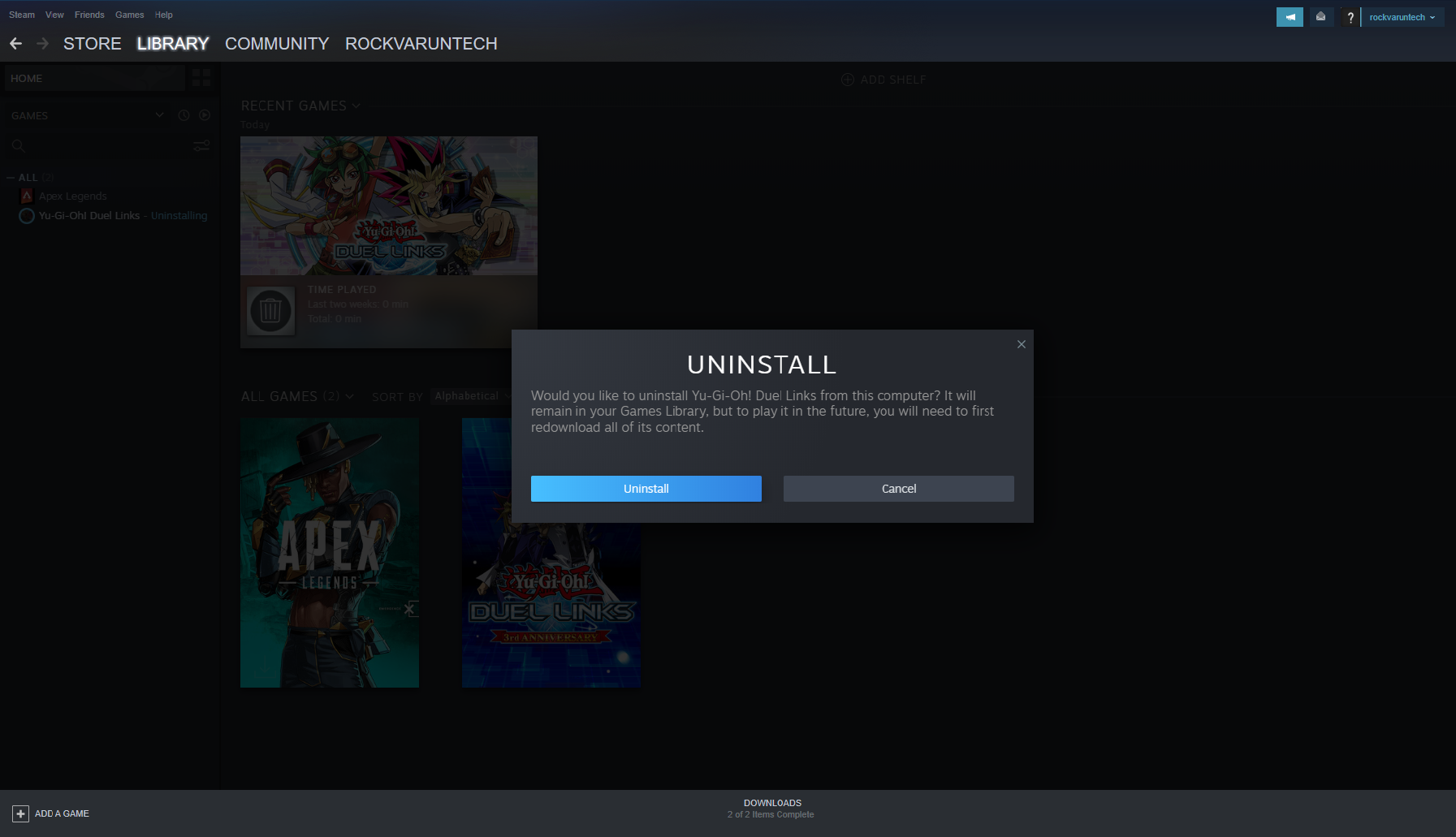
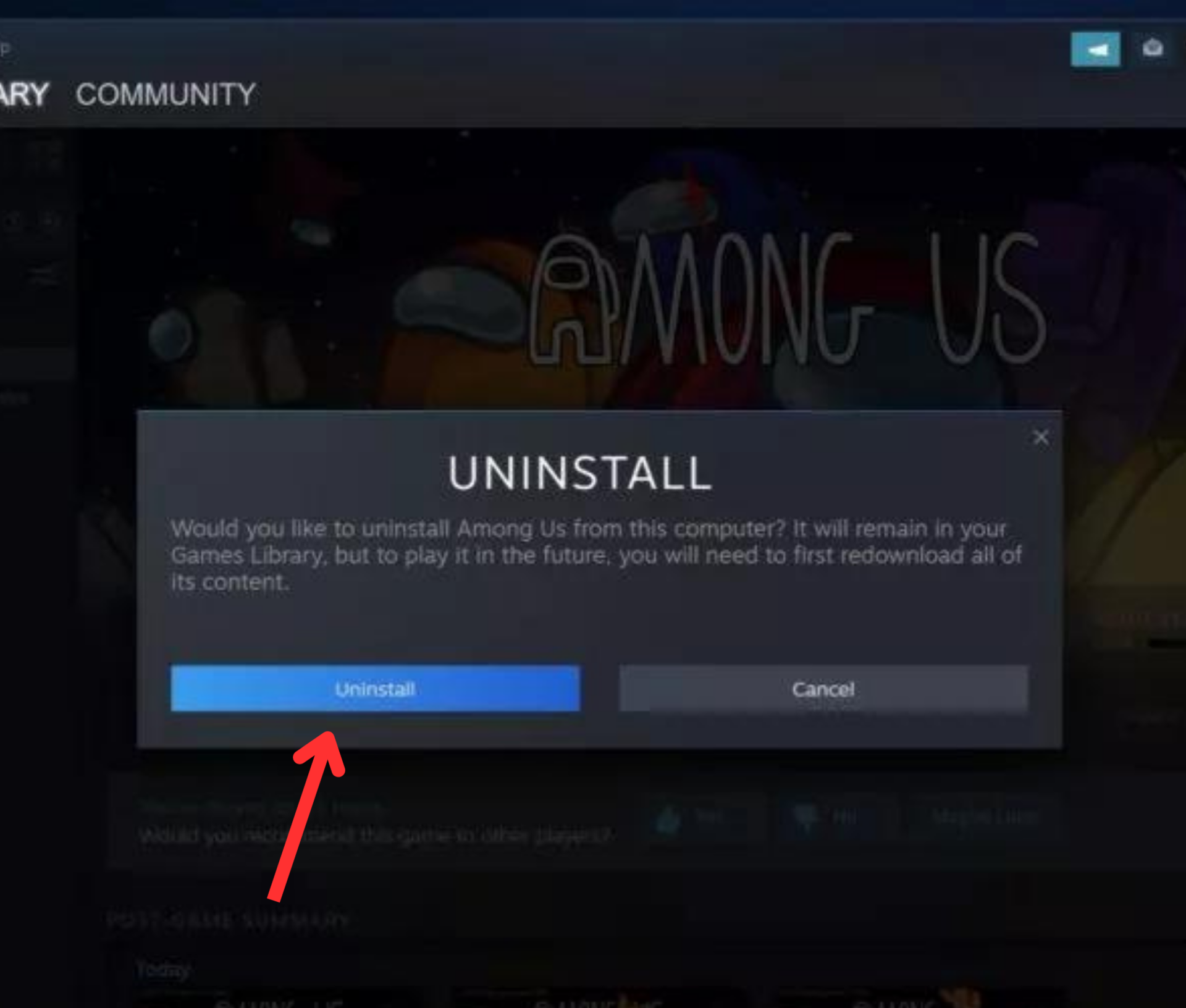
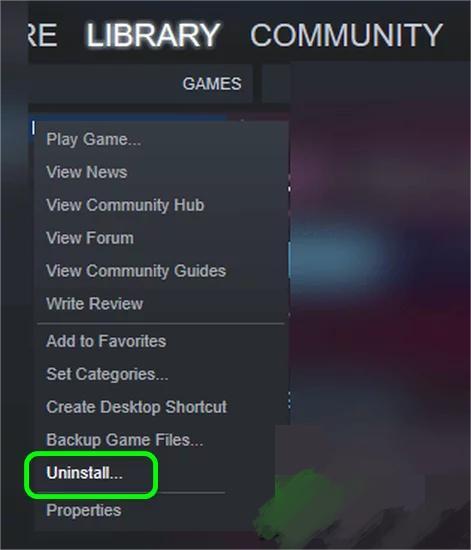
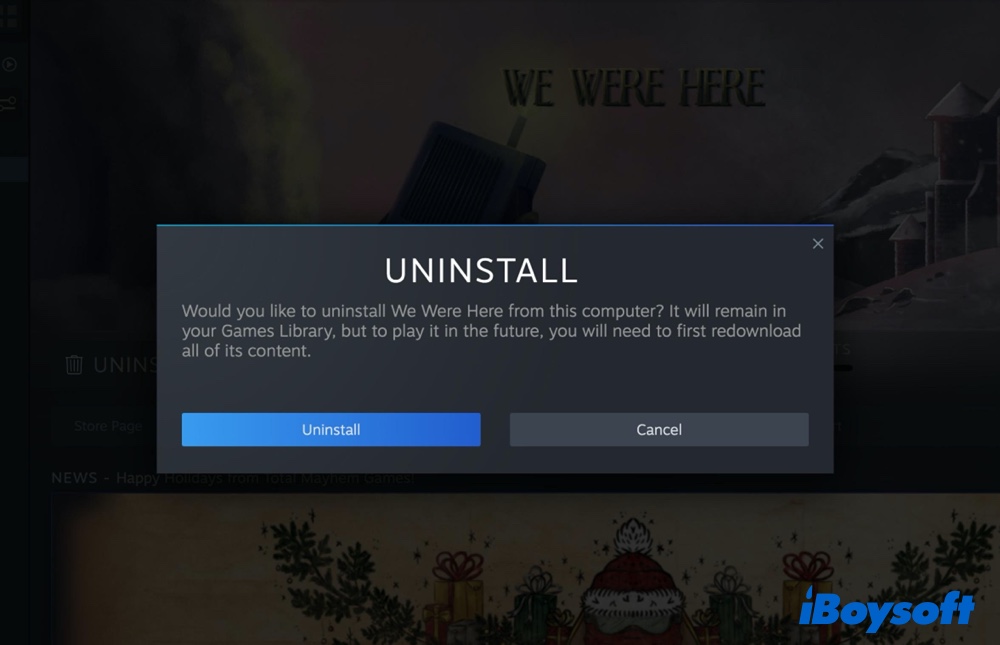
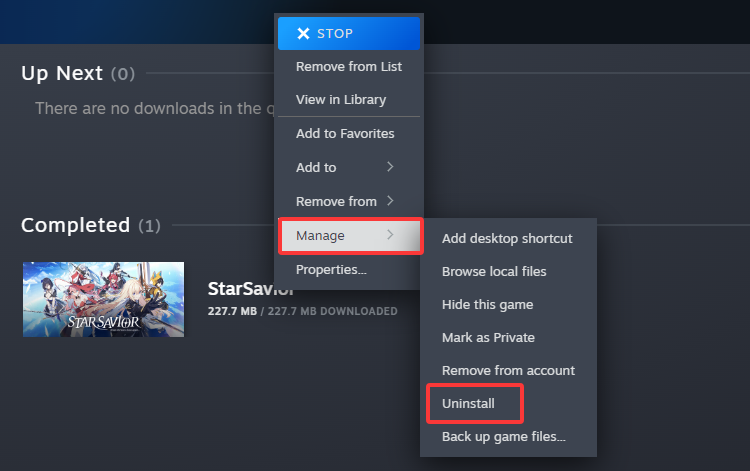
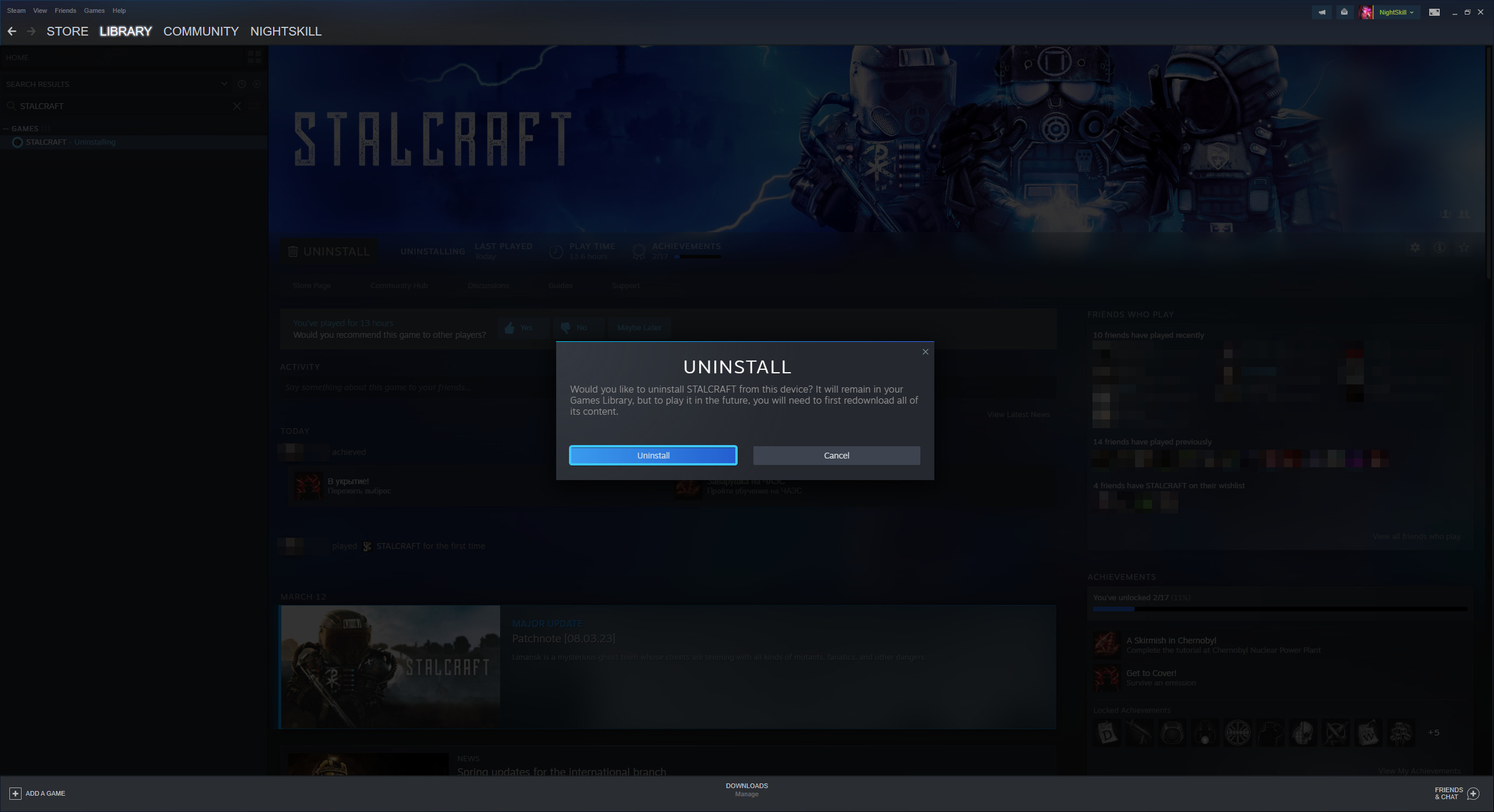
- Uninstall Specific Games: The easiest way to free up space is to uninstall individual games you no longer play directly through the Steam client. Right-click the game in your library, select 'Manage' > 'Uninstall'.
- Move Games to Another Drive: As discussed, use Steam's built-in feature to move less frequently played games to a larger, slower HDD, keeping your speedy SSD free for competitive or new titles.
- Clear Steam Download Cache: Go to Steam > Settings > Downloads, then click 'Clear Download Cache'. This removes temporary files that can sometimes accumulate.
- Delete Shader Caches: Many games generate shader caches (especially on modern GPUs) that can take up significant space. These can often be safely deleted, though games might regenerate them on next launch. You might find these in game-specific folders or within graphics driver folders.
- Identify Large Files: Use a disk space analyzer tool (like WinDirStat or TreeSize Free) to find other large, unnecessary files on your system. This often reveals forgotten downloads, old videos, or previous operating system backups that consume significant space.
These methods offer practical solutions for the majority of gamers dealing with storage constraints without disrupting their core Steam setup.
What Are the Best Practices for Managing My Steam Library and Disk Space?
Maintaining an organized and efficient Steam library is key for a smooth gaming experience, especially for those of us balancing life's demands. Here are some best practices:
- Regularly Review Your Library: Periodically check your installed games. If you haven't touched a game in months, or even years, consider uninstalling it or moving it to a slower drive.
- Utilize Multiple Library Folders: Set up Steam Library Folders on all your drives (e.g., SSD for competitive games, HDD for single-player epics). This makes moving games between drives seamless.
- Keep an Eye on Updates: Be aware of game update sizes. Sometimes, a patch can be substantial. Ensure you have enough overhead before an update downloads.
- Backup Save Games: While Steam Cloud usually handles this, for critical saves or games without cloud support, manually backing up your save files (often found in
DocumentsorAppData) is a good habit. - Monitor Disk Usage: Make it a habit to periodically check your drive space. Don't wait until you're critically low to start clearing things out. This proactive approach prevents performance issues and frustration.
- Consider External Storage: For truly massive libraries or infrequent titles, an external HDD can be a cost-effective solution for archival storage.
By following these tips, you will not only prevent storage headaches but also ensure your gaming PC runs optimally, ready for your next adventure.
Conclusion
So, to reiterate, if you've been wondering "will uninstalling Steam uninstall games?" the answer is a clear no. The Steam client and your game files are distinct entities on your computer. While uninstalling Steam removes the application itself, your valuable game data typically remains untouched, ready to be rediscovered upon reinstallation or manually deleted if you wish to reclaim disk space. Understanding this separation empowers you to manage your PC's storage and troubleshoot issues with confidence, ensuring your gaming experience remains smooth and enjoyable. For US gamers who prioritize relaxation and fun, having a well-managed system means more time playing and less time wrestling with technicalities. What's your biggest gaming challenge when it comes to managing your PC or game library? Comment below and let's help each other out!
FAQ Section
Q: Does uninstalling Steam affect my game saves or progress?
A: Generally no, uninstalling Steam does not delete your game saves or progress. Many games utilize Steam Cloud synchronization, which stores your saves online. For games without cloud saves, files are often stored in your Windows Documents folder or AppData, separate from the Steam installation. However, it is always wise to back up critical save files manually before major system changes.
Q: Can I reinstall Steam and redownload all my games for free?
A: Yes, once you own a game on Steam, it is tied to your account. You can reinstall the Steam client and redownload any game you own as many times as you like, free of charge. Your purchases are permanent digital licenses linked to your Steam ID, ensuring you always have access to your library.
Q: Is it safe to delete the 'steamapps' folder after uninstalling Steam?
A: Yes, if you intend to completely remove all game data and free up the associated disk space, it is safe to delete the 'steamapps' folder after uninstalling the Steam client. This folder contains all your installed game files and related data. Just be sure you no longer need any of those game installations.
Q: How can I tell which games are taking up the most space?
A: Within the Steam client, go to Steam > Settings > Downloads > Steam Library Folders. Select a library folder, and it will show you a list of installed games along with the disk space each occupies. This helps you identify large games for potential uninstallation or movement to another drive.
Q: What if I have games installed on multiple drives?
A: If you have games spread across different drives, each drive will have its own 'Steam Library Folder'. When you uninstall the Steam client, it will only remove the main client files. You will need to manually navigate to each drive's Steam Library Folder and delete the game files within their respective 'steamapps\common' folders to reclaim space from those locations.
Q: Will uninstalling Steam delete my friends list or account information?
A: No, uninstalling the Steam client will not delete your friends list, account information, purchase history, or any other data associated with your Steam account. All this information is stored on Steam's servers and is tied to your account credentials. When you reinstall Steam and log back in, all your account data will be restored.
Uninstalling Steam client does not automatically uninstall your games; game files typically remain. You must manually delete game folders to remove them completely. Reinstalling Steam can redetect existing game files saving download time. Managing game files separately from the client is key for disk space and troubleshooting.
35



How To Uninstall Steam Games YouTube . How To Uninstall A Game On Steam Mac Detroit Chinatown . How To Properly Uninstall Games From Steam For Space LevelUpTalk Steam Uninstall Process 02 07 2026 Cafa76ce 415f 4282 Bde9. Steam How To Uninstall Remove Game From Steam Library YouTube . How To Uninstall Steam Games With 3 Methods On Windows

:max_bytes(150000):strip_icc()/steam-uninstall-ba72a88d2b3f4d319fbe9e7263bd88e9.png)


How To Uninstall Steam Games Uninstall Steam Game Ss2 . How To Uninstall Steam Games Steam Uninstall . Jak Rychle A Snadno Hry Ze Slu By Steam How To Uninstall Steam Games . How To Uninstall Steam Games And Reinstall Later Steam Game Uninstall Process . Here S How To Uninstall Steam Games Complete Guide How To Uninstall Steam Games



How To Fully Uninstall Games From Steam Android Authority 49 . How To Uninstall Steam Games 3 Steam Uninstall Prompt . Don T Uninstall Steam Before All Your Games Dont Uninstall Steam Before All Games Thumbnail . How To Uninstall Delete Games All At Once On STEAM Easy Tutorial . How To Uninstall Steam Games Keep All Save Files 2024 How To Uninstall Steam Games


Easily Uninstall Steam Games On Mac With These Tips Uninstall Games On Steam . How To Uninstall Steam Games On Ubuntu NeuronVM How To Uninstall Steam Games On Ubuntu 3.webp. 4 Ways To Uninstall Steam WikiHow Aid9230637 V4 728px Uninstall Steam Step 11 . How To Uninstall Steam On Mac And Remove Its Leftover Files Easily Uninstall Steam Games Confirm . Uninstall Steam And Steam Games On Mac Step By Step Guide Image



How To Uninstall Steam Games TechCult Click On UNINSTALL To Confirm A Game In Steam . Steam Games Fix Steam Games . How To Uninstall Steam Games With 3 Methods On Windows . How To Uninstall A Game On Steam Deck In 3 Easy Methods TCG Uninstaall Games On Steam Deck 1024x576 . How To Delete Games On Mac Free Up Space In 2026 Howto Uninstall Steam Game 2



How To Quickly Uninstall Steam In 3 Simple Steps 2026 WePC WePC STEAM How To Uninstall 01 . How To Uninstall Steam Games With 3 Methods On Windows . Don T Uninstall Steam Before All Your Games Dont Uninstall Steam Before All Games 1 . Can Steam Remove Games Without Warning Here S What We Know LevelUpTalk Steam Logo Removed Game Icon 03 14 2026 77d709b7 8c08 4600 B2c1. How To Uninstall Steam Games And Reinstall Them Later Complete 2026 The Best Single Player Games 768x439



How To Uninstall A Game From Steam On PC Expert Tips A . How To Uninstall Games On Steam Easy Step By Step Guide 2025 YouTube . Steam Remove Game History At Clyde Miller Blog How To Uninstall Steam Games . The Game Client On Steam . How To Uninstall Steam On Mac And Remove Its Leftover Files Easily Summary How To Uninstall Steam On Mac